
Governor Signs Georgia Conformity Bill (HB 1199) into Law

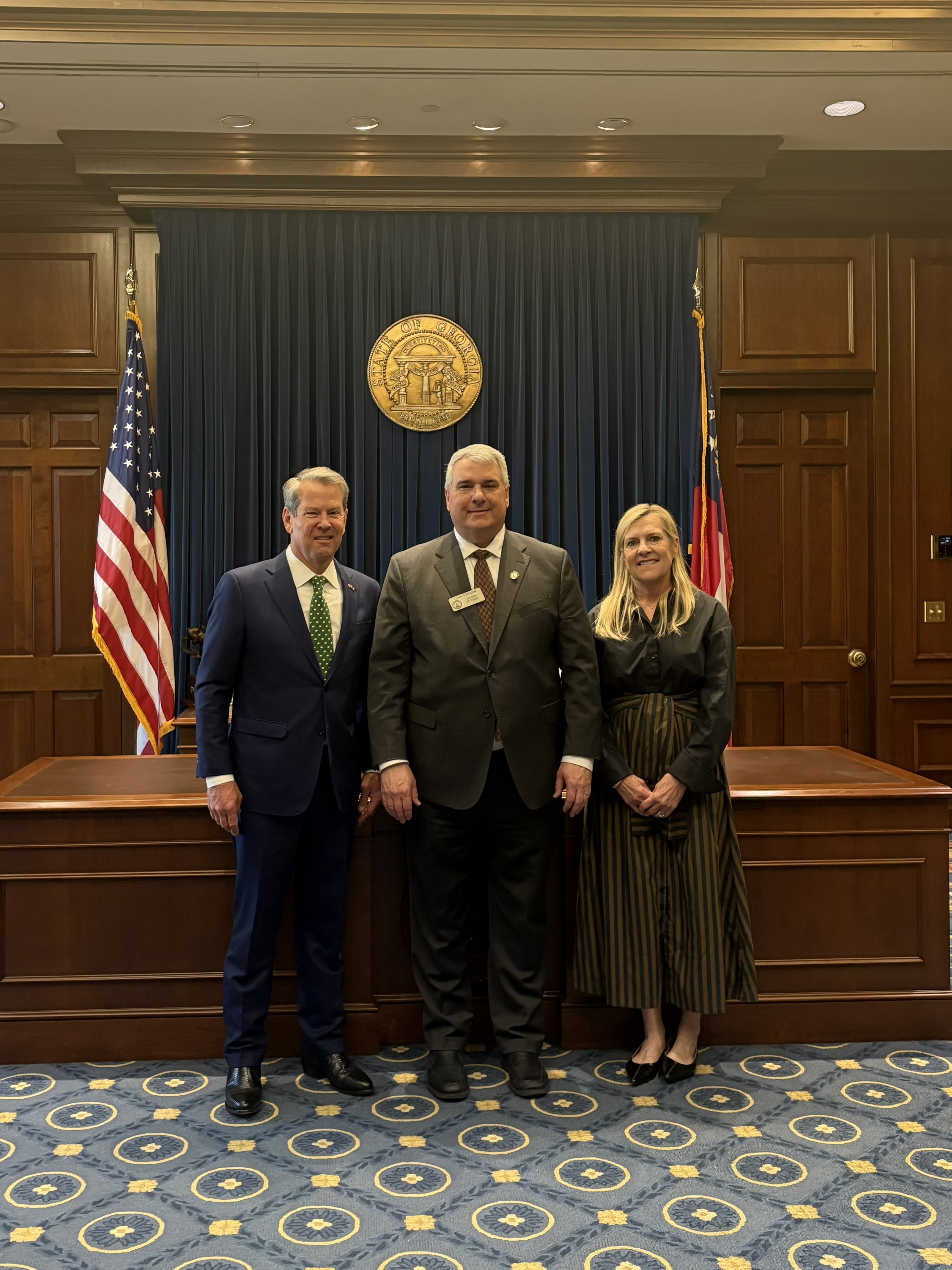
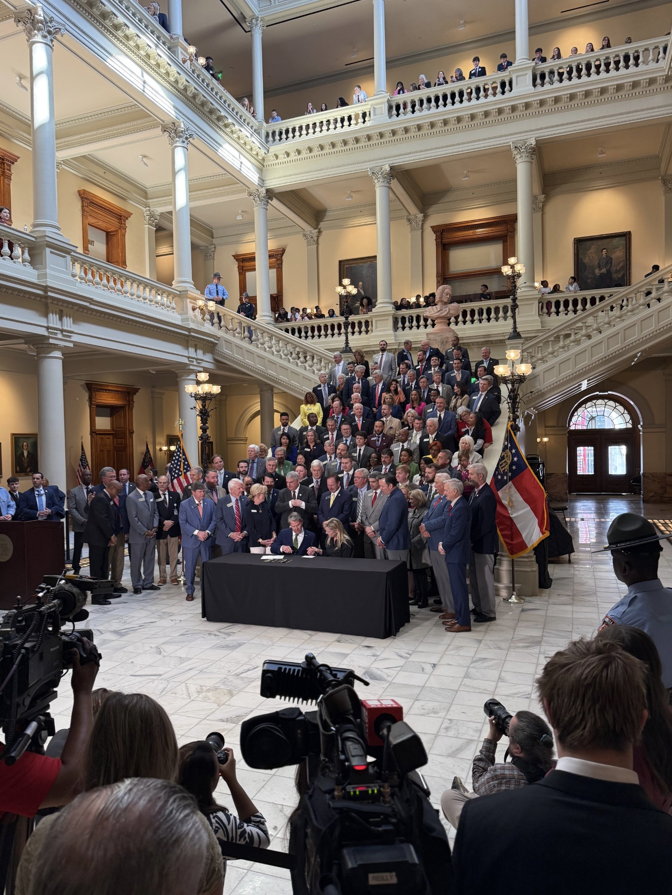
Georgia’s annual Internal Revenue Code (IRC) Update / Conformity Bill (HB 1199) has now been signed into law, marking the successful conclusion of one of the most important tax policy efforts of the 2026 Georgia legislative session!
Governor Brian Kemp had previously signaled his intention to sign the legislation quickly, and the bill’s swift enactment allows key provisions, including a temporary 60-day suspension of the state motor fuel tax, to take effect as soon as possible.
The Georgia Society of CPAs (GSCPA) extends sincere appreciation to bill sponsor Rep. John Carson, CPA, along with legislative leaders in both chambers who worked through complex federal tax changes and policy considerations to deliver clarity for taxpayers, practitioners, and administrators.
GSCPA remained actively engaged throughout the legislative process to see conformity across the finish line and will continue working with the Georgia Department of Revenue and policymakers as implementation guidance is developed.
Key Federal Conformity Decisions
This year’s conformity legislation reflects several significant policy determinations by the General Assembly regarding which federal tax provisions Georgia will - and will not - adopt.Low-Income Housing Tax Credit (LIHTC)
Georgia will partially conform to federal Low-Income Housing Tax Credit (IRC Section 42) provisions. However, state law now provides that “the aggregate annual amount of tax credits allowed pursuant to this Code section shall not exceed $100 million for taxable years 2026 through 2028.” This limitation reflects a policy decision to support affordable housing investment while maintaining fiscal guardrails on the total credit exposure.
Tips and Overtime
Georgia will not conform to new federal provisions related to “no tax on tips” or “no tax on overtime.” Lawmakers indicated these policies would require separate legislation given the significant fiscal considerations involved.
SALT Cap Levels
Importantly, Georgia is not conforming to the new federal State and Local Tax (SALT) deduction cap increase to $40,000. Georgia’s SALT limitation will remain at the current $10,000 level in state statute.
Additional Individual Conformity Items
The final law includes Georgia conformity to several other federal provisions affecting individuals, including:
- Elimination of casualty loss deductions except in federally declared disaster situations
- Elimination of miscellaneous itemized deductions
- Replacement of the Pease limitation with a new cap on tax savings from itemized deductions
- Conformity to employer student loan payment exclusions
- Updates to charitable contribution floors for itemizers
- Conformity to enhanced exclusion rules for qualified small business stock
These provisions help maintain administrative alignment with federal law where policymakers determined conformity was appropriate.
Business Conformity Decisions
The legislation also reflects several intentional non-conformity positions on business tax provisions, including:- No conformity to federal full expensing under IRC Section 168(k)
- No conformity to federal research and experimental expenditure capitalization rules (Georgia continues to follow pre-TCJA full expensing treatment)
- No conformity to federal business interest limitation rules under IRC Section 163(j)
- Partial conformity to IRC Section 179 expensing limits
- No conformity to special depreciation allowance provisions
Georgia will, however, conform to certain corporate charitable contribution limitation provisions.
Why Timely Conformity Matters
Annual conformity legislation plays a critical role in ensuring that Georgia’s tax system remains predictable, administrable, and responsive to federal changes. This clarity is especially important during filing season, when CPAs and taxpayers rely on stable rules to meet compliance obligations and make informed planning decisions.
Important Reminder for Practitioners
As you proceed through this filing season, be sure to verify that your tax software reflects Georgia’s updated conformity positions under HB 1199. Given the number of intentional non-conformity decisions, accuracy at the software level will be especially important.
View House Bill 1199 Here
Questions?
GSCPA remains actively engaged on your behalf - advocating for clarity, monitoring implementation, and ensuring the voice of the CPA profession continues to be represented. For questions, please contact Don Cook, Vice President of Legislative Affairs, directly at dcook@gscpa.org or 404-822-2154.